
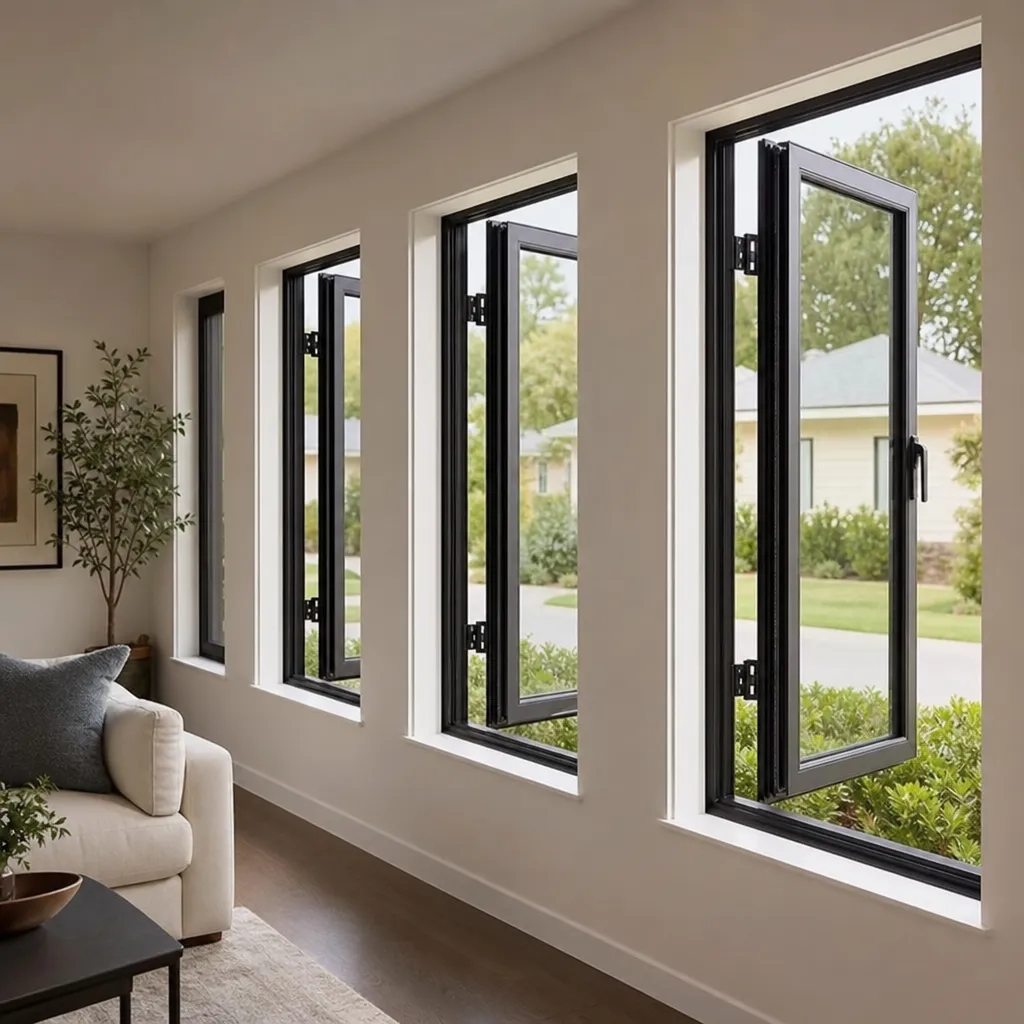
If you have ever asked, “what do casement windows look like?”, simply picture a window that opens like a door. These popular swinging windows are attached to the frame by side hinges and are typically windows that open outward with crank mechanisms. While most people are familiar with these traditional setups, you can also find specialized casement windows that open inward to accommodate specific architectural needs.
When comparing different types of windows, casement windows stand out for their excellent ventilation and unobstructed views. However, like any mechanical fixture in your home, they are prone to wear and tear. If you are experiencing operational hiccups, this guide covers the most Common Issues with Casement Windows Solutions to help you restore your home’s comfort and security.
Recognizing Different Casement Styles and Frames
Before diagnosing a problem, it helps to know exactly what you are working with. So, what does a casement window look like across different home designs?
Modern casement windows are highly versatile. You might find a single narrow casement window in a tight hallway, a frosted casement bathroom window for optimal privacy and ventilation, or expansive large casement windows in a living room. For wider openings, homeowners often install a twin casement window, a classic double casement window (often just referred to as a double casement), or even a massive 3 panel casement window. Even the largest casement window can operate smoothly if its hardware is well-maintained.
Many homeowners choose to customize their casement style windows by adding architectural flair, such as casement windows with grids. Whether you are dealing with traditional cased windows featuring a thick wood cased window frame, a modern vinyl casement window frame, or sleek aluminum crank windows, the mechanical principles—and the common problems—remain largely the same.
Mechanical Failures: Cranks, Operators, and Gears
Because crank out casement windows rely on moving mechanical parts, hardware issues are incredibly common. This applies equally to standard vertical crank out windows and awning-style horizontal crank out windows.
1. Stuck or Stiff Cranks
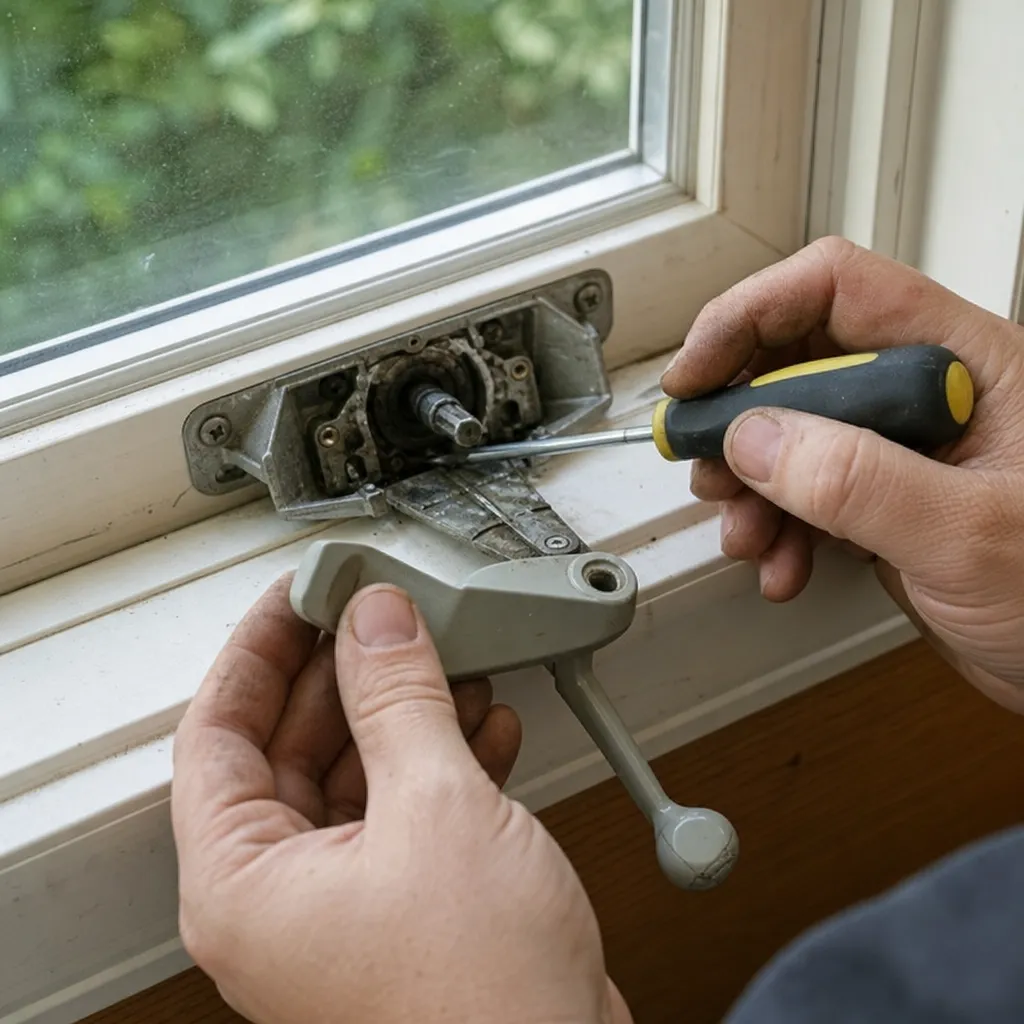
Fixing a stuck casement window crank is a frequent DIY task. Over time, dust, dirt, and dried grease accumulate in the gears.
- The Solution: Start by cleaning the track and gears with a wire brush. Follow up by lubricating casement window hinges and tracks. When choosing the best lubricant for window hardware, opt for a dry Teflon or silicone-based spray rather than WD-40, which can attract more dirt. Maintaining window operators for longevity requires applying this lubrication at least once a year.
2. Stripped Gears
If you turn the handle and hear a clicking sound but the window doesn’t move, you are likely dealing with stripped gears.
- The Solution: Repairing stripped window operator gears usually requires replacing the entire operator mechanism. Simply unscrew the old operator from the sill and the sash, take it to a hardware store to find an exact match, and screw the new unit into place.
Alignment and Sagging Problems
Because the entire weight of the glass is supported by hinges on one side, alignment issues are practically inevitable over time, especially with heavy, large units.
Adjusting a Sagging Window
When a sash sags, the window will rub against the frame and fail to close properly.
- The Solution: Adjusting sagging casement window sashes can often be done by tightening the hinge screws at the top of the frame. If the screw holes are stripped, fill them with wooden toothpicks and wood glue before re-inserting the screws. In severe cases, the hinges may be bent or broken. If you need to replace them, the cost to repair casement window hinges is generally affordable, typically ranging from $50 to $150 depending on whether you hire a professional.
Drafts, Leaks, and Energy Efficiency
When debating casement vs double hung energy efficiency, casements usually win because their locking mechanism pulls the sash tightly against the weatherstripping, creating an airtight seal. So, why do casement windows leak air?
Weatherstripping and Insulation
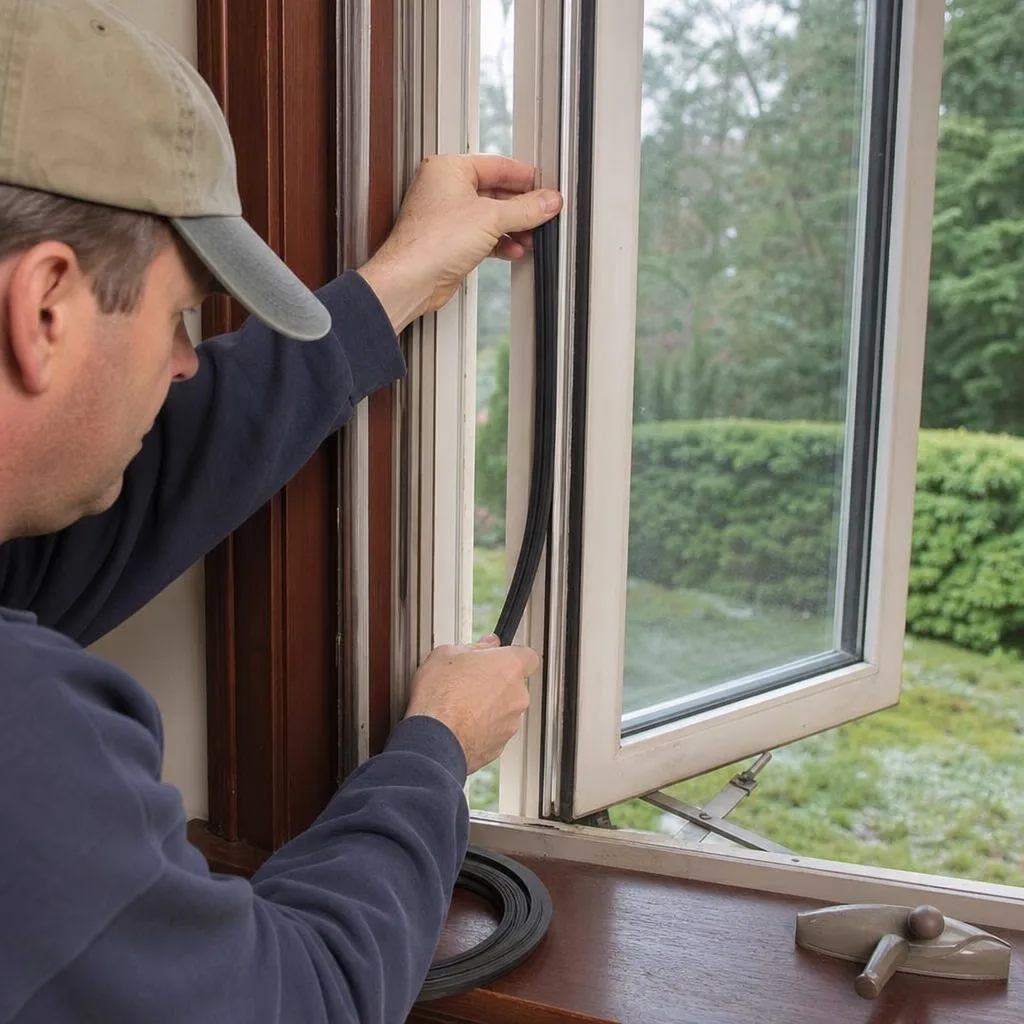
Air leaks are almost always due to worn or flattened weatherstripping. If you notice a breeze, it is time to look into drafty window insulation solutions.
- The Solution: Learning how to replace window weatherstripping is easy. Simply pull the old, cracked rubber or foam strip out of the track on the window frame, cut a new piece to size, and press or glue it securely into place. If you are building a home and want to avoid drafts from day one, ensure your contractor installs high-quality new construction casement windows with premium factory seals.
Glass and Seal Failures
Most contemporary homes feature casement window double glazing to improve thermal efficiency. These windows have two panes of glass separated by an insulating gas.
Dealing with Condensation
If you notice condensation between double pane glass, this is one of the most obvious signs of casement window seal failure.
- The Solution: Unfortunately, once the seal is broken and the insulating gas escapes, you cannot simply wipe the moisture away. The most cost-effective solution is usually to hire a glazier to replace the glass unit (the IGU) rather than replacing the entire window.
Lock and Screen Troubleshooting
Casement windows are generally very secure, but their locking mechanisms can occasionally become misaligned or stiff.
Fixing Window Locks
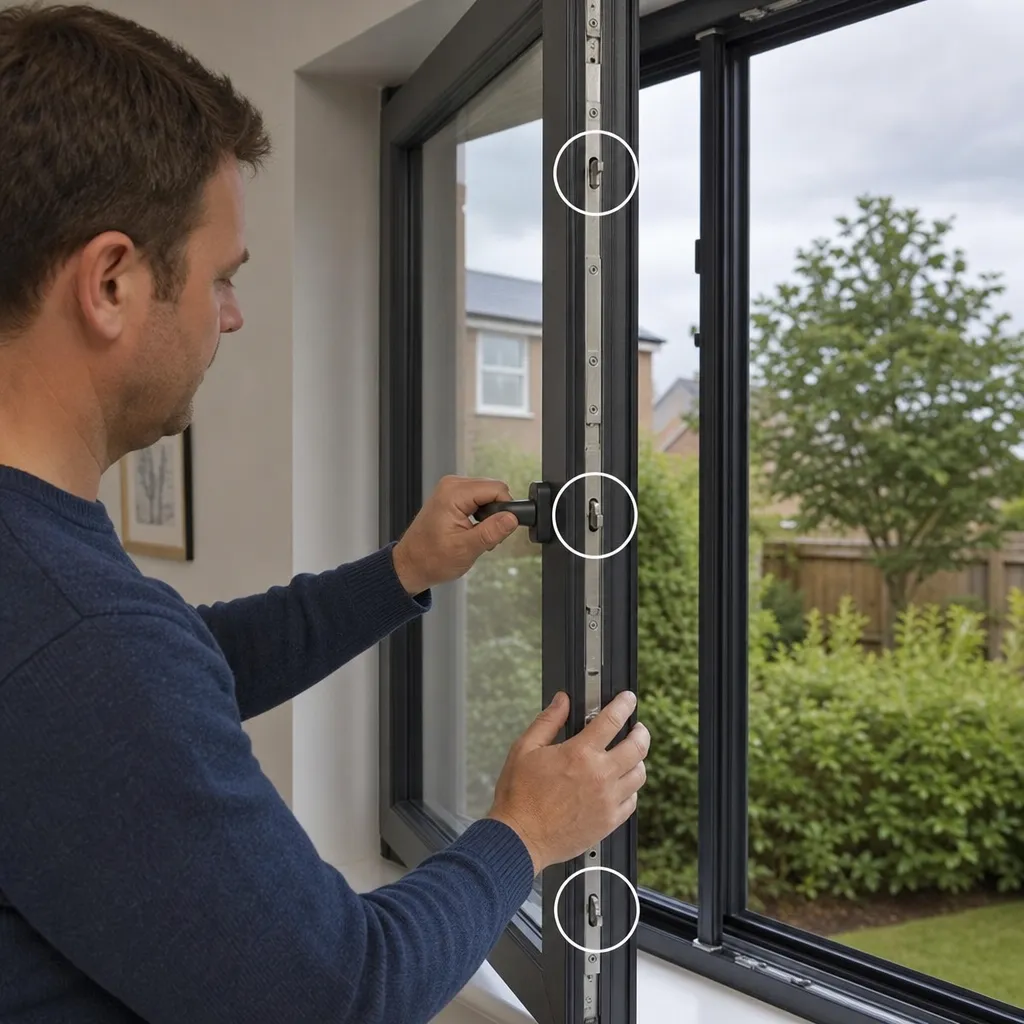
Troubleshooting window locking mechanism issues usually comes down to checking the alignment of the sash. If the window is sagging, the lock won’t catch properly. Furthermore, understanding your hardware helps; comparing single vs multi-point locking systems reveals that while single-point locks are easier to fix, multi-point systems (which secure the window at the top, middle, and bottom simultaneously) offer vastly superior security and weatherproofing. If a multi-point lock is stiff, spray silicone lubricant directly into the locking latch and work the lever up and down.
Managing Window Screens
Unlike double-hung windows, casement windows with screens have their screens located on the inside of the house, since the glass swings outward. If your window crank interferes with the screen, ensure you have the correct low-profile folding crank handle installed so it doesn’t push against the screen mesh.
Conclusion
Understanding the Common Issues with Casement Windows Solutions allows you to keep your home looking beautiful and functioning perfectly. By routinely cleaning your tracks, updating weatherstripping, and paying attention to your cranks and hinges, you can extend the lifespan of your windows by decades. Whether you have a tiny bathroom fixture or a sprawling panoramic setup, a little preventative maintenance goes a long way in preserving the comfort, security, and efficiency of your home.