When it comes to hospitality in the Middle East, luxury is not just a trend—it’s a tradition. From the grand lobbies of Dubai’s 5-star resorts to the intimate boutique hotels in Riyadh, every detail speaks to the region’s love for opulence, heritage, and warm hospitality. And at the heart of this experience? Hotel furniture that doesn’t just fill a space, but tells a story.
For hoteliers looking to captivate guests in the Middle East, furniture must balance three key pillars: cultural resonance, durability for regional needs, and timeless luxury. Let’s dive into how to craft furniture solutions that honor the Middle East’s rich heritage while meeting the demands of modern travelers.


1. Draw Inspiration from Middle Eastern Heritage: Patterns, Symmetry, and Symbolism
The Middle East is a tapestry of cultures—each with its own art, architecture, and design language. Incorporating these elements into hotel furniture creates an immediate sense of place, making guests feel connected to the region’s history.
- Geometric Patterns: Think intricate arabesques, star motifs (like the 8-pointed star, a symbol of protection in many Middle Eastern cultures), and latticework. These can be woven into upholstery fabrics, carved into wooden headboards, or etched into metal side tables. For example, a lobby sofa with a subtle arabesque embroidery in gold or deep navy adds elegance without feeling over-the-top.
- Rich Color Palettes: Embrace the hues of the region—sands of the desert (warm beiges, terracottas), depths of the Persian Gulf (navy, teal), and the vibrancy of local markets (crimson, emerald). Avoid overly muted tones; instead, layer bold colors with neutral bases to create balance. A dining chair in a deep emerald velvet, paired with a sand-colored marble tabletop, feels both luxurious and rooted in the Middle East.
- Traditional Craftsmanship: Highlight local skills like hand-carved wood (seen in Moroccan or Omani design) or mother-of-pearl inlay (a staple of Gulf craftsmanship). A reception desk with mother-of-pearl details or a bedroom dresser with hand-carved floral patterns adds authenticity and luxury.


2. Prioritize Durability for the Middle Eastern Climate
The Middle East’s hot, dry summers and occasional sandstorms demand furniture that can withstand harsh conditions—without sacrificing style.
- Weather-Resistant Materials for Outdoor Spaces: For hotel terraces, poolsides, or gardens, choose materials like teak wood (naturally resistant to rot and sun damage), aluminum (lightweight and rust-proof), or synthetic rattan (durable against UV rays). Add weatherproof cushions in fade-resistant fabrics (like solution-dyed acrylic) to keep outdoor seating comfortable year-round.
- Heat-Resistant Surfaces Indoors: In lobbies, restaurants, and guest rooms, opt for tabletop materials like marble, quartz, or ceramic—these stay cool to the touch even in high temperatures. Avoid plastic or low-quality wood, which can warp or fade under direct sunlight.
- Stain-Resistant Upholstery: With guests often enjoying traditional beverages like Arabic coffee or mint tea, stain resistance is key. Choose fabrics like microfiber, leather (treated for stain protection), or Crypton—these repel spills and are easy to clean, ensuring furniture looks new for years.


3. Design for Comfort and Hospitality
Middle Eastern culture places great value on hospitality—guests are meant to feel welcome, relaxed, and pampered. Hotel furniture should reflect this by prioritizing comfort and functionality.
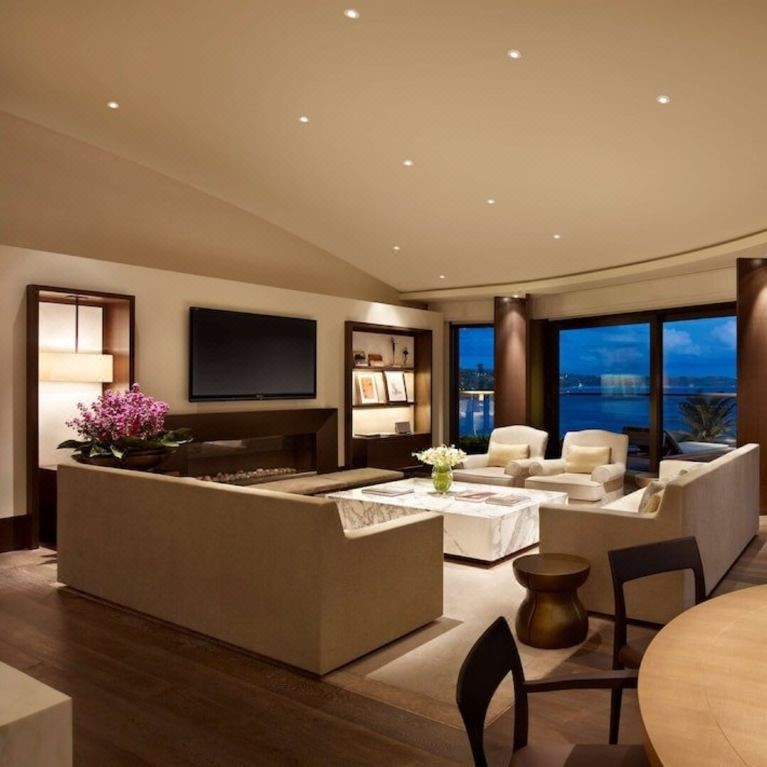
- Plush Seating for Social Spaces: Lobbies and lounges should invite guests to linger. Invest in deep sofas with soft, supportive cushions, oversized armchairs, and low coffee tables (perfect for setting down drinks or books). Add throw pillows in textured fabrics (like silk or wool) for an extra layer of coziness.
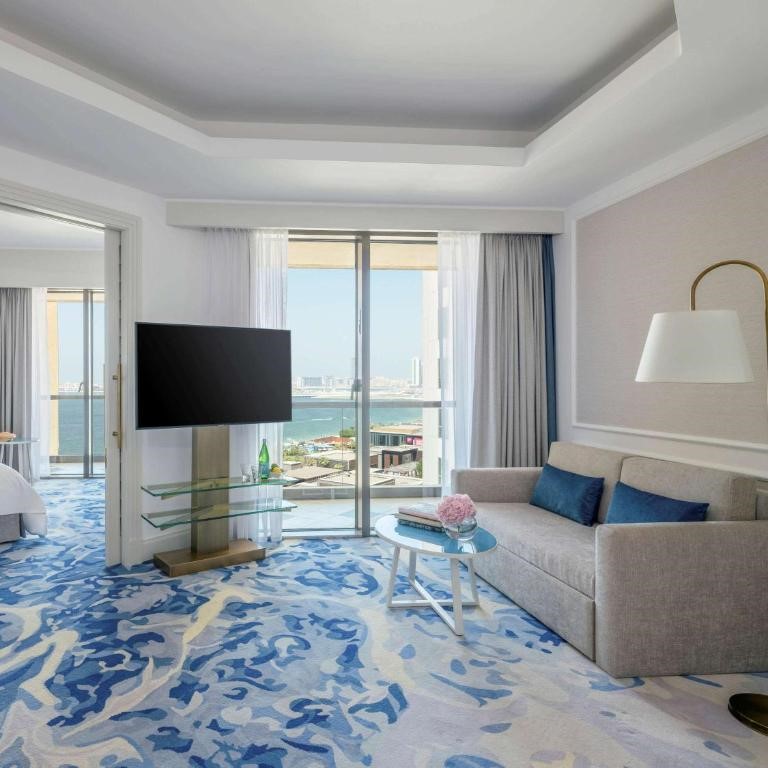
- Spacious Guest Room Furniture: Middle Eastern travelers often value space—avoid cluttering rooms with too much furniture. Opt for a large, sturdy bed with a high-quality mattress, a roomy wardrobe (with built-in storage for luggage), and a desk that doubles as a vanity. Include a small seating area (like a chair and side table) where guests can unwind with a book or take calls.
- Dining Furniture for Shared Meals: Many Middle Eastern families and groups travel together, so dining areas should accommodate large parties. Choose extendable tables, stackable chairs (for flexibility), and banquettes (which save space while seating more guests). Ensure chairs are comfortable for long meals—add padded seats and backrests in soft fabrics.
4. Embrace Modernity Without Losing Heritage
While cultural authenticity is key, modern travelers in the Middle East also expect sleek, functional design. The best hotel furniture blends traditional elements with contemporary touches.
- Minimalist Silhouettes with Cultural Accents: A simple, modern sofa can be elevated with a traditional geometric throw or a side table with a carved wooden base. This balance keeps spaces feeling fresh and relevant, while still honoring the region’s roots.
- Smart Furniture Solutions: Incorporate hidden storage (like ottomans with built-in compartments for blankets or magazines) or USB charging ports in side tables—small touches that make guests’ stays more convenient.
- Sustainable Design: Sustainability is growing in importance across the Middle East. Choose eco-friendly materials like reclaimed wood, FSC-certified furniture, or low-VOC finishes. Highlighting these efforts not only appeals to eco-conscious travelers but also aligns with the region’s focus on responsible development.


Final Thoughts: Furniture That Tells a Story
In the Middle East, hotel furniture is more than just decor—it’s a bridge between culture and comfort, tradition and modernity. By drawing inspiration from the region’s heritage, prioritizing durability, and designing for hospitality, hoteliers can create spaces that leave a lasting impression on guests.
Whether you’re furnishing a luxury resort in Doha or a boutique hotel in Marrakech, remember: the best furniture doesn’t just fit a space—it enhances the experience. With the right pieces, you can turn any hotel room into a haven that feels both uniquely Middle Eastern and universally welcoming.
Ready to elevate your hotel’s furniture game? Reach out to our team of experts, who specialize in crafting custom solutions for the Middle Eastern hospitality market. Let’s create spaces that honor tradition, embrace comfort, and define luxury.