Whether you are furnishing a new four-bedroom home, upgrading a boutique hotel, or launching an interior design firm, the global supply chain offers incredible opportunities for 2026. If you want to access unparalleled variety, immense customization options, and significant cost savings, the smartest move you can make is to buy furniture from China.
However, international sourcing is no longer just about finding the lowest price; it is about navigating a sophisticated market to find high-quality, durable, and stylish pieces. This comprehensive 2026 guide will walk you through everything you need to know about navigating the Chinese furniture market, from identifying the latest design trends to mastering international shipping and customs.
Is Importing Furniture Actually Worth It?
One of the most common questions homeowners and property developers ask is: is it cheaper to import furniture for a full house? The short answer is a resounding yes, provided you are buying in volume.
If you are only looking for a single coffee table, the shipping and logistics costs will quickly outweigh any savings on the product price. However, if you are outfitting an entire property, the economics shift dramatically in your favor. By bypassing domestic retail markups (which often range from 200% to 500%), you can access wholesale pricing for residential projects.
Actionable Tip: To maximize your return on investment, consolidate your purchases. Aim to fill at least a 20-foot shipping container. This strategy effectively dilutes the freight cost per item, making high-end luxury furniture remarkably affordable.
How to Source: Digital Browsing vs. Boots on the Ground
When you decide to take the plunge, you have two primary avenues for sourcing: doing it digitally or traveling directly to the manufacturing hubs.
The Digital Route: Pros and Cons
It has never been easier to buy furniture online. Platforms like Alibaba, Made-in-China, and Global Sources have revolutionized international trade. Browsing for china furniture online allows you to compare hundreds of vendors from the comfort of your living room.
However, you must be cautious. The risks of buying furniture from Alibaba include misrepresentation of material quality, hidden fees, and receiving items that look drastically different from their heavily edited online photos.
The In-Person Route: The Magic of Shunde
To mitigate online risks and truly experience the scale of the market, many buyers travel to China. When weighing the benefits of sourcing furniture online vs visiting Shunde markets, the in-person experience usually wins for large-scale buyers.
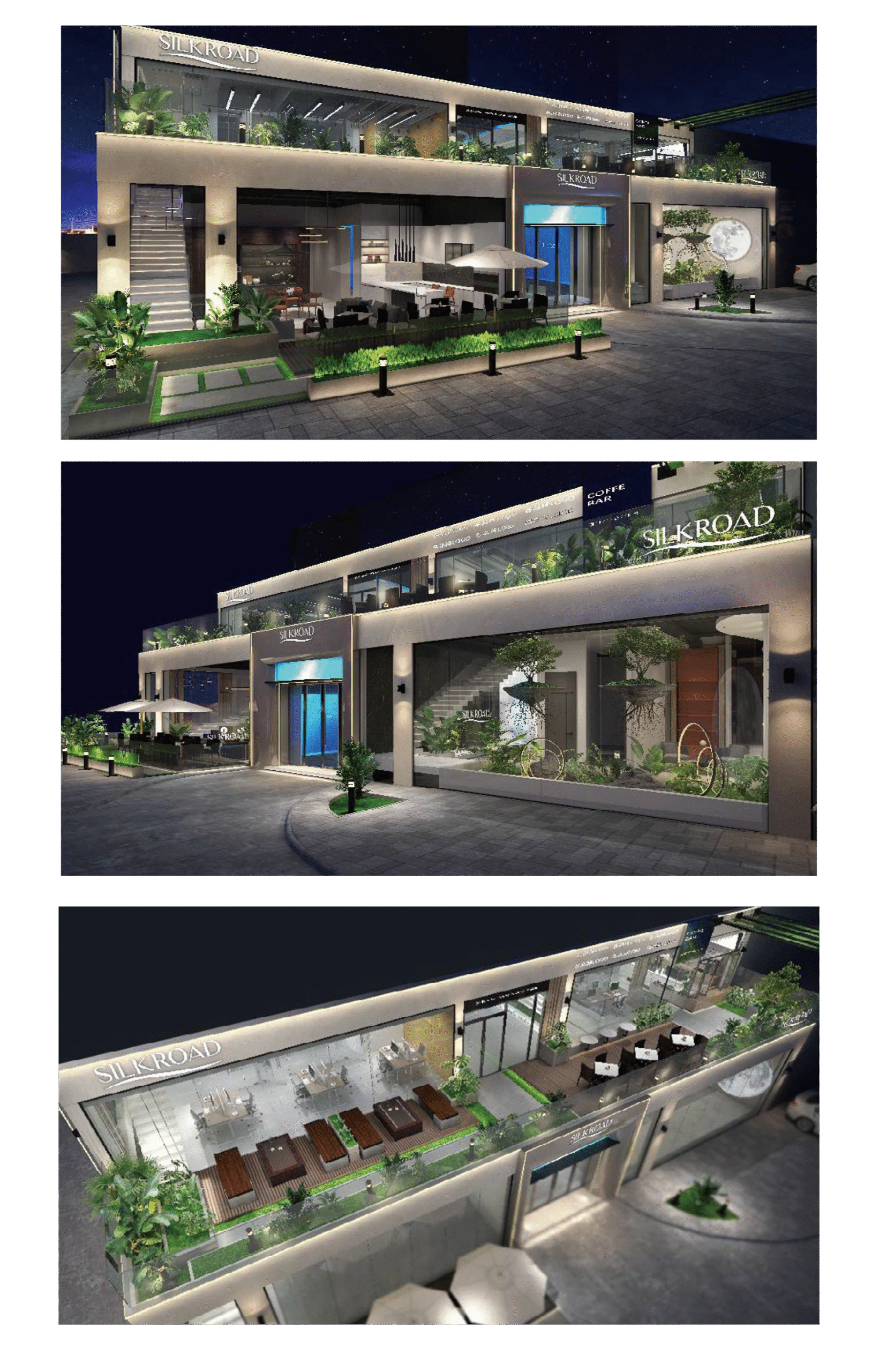
Shunde, a district in the city of Foshan, is globally recognized as the furniture capital of the world. Here, you can walk through miles of showrooms, sit on the sofas, feel the fabric, and negotiate face-to-face. While you are in the region, importing home decor from Foshan markets—such as lighting fixtures, ceramics, and textiles—allows you to perfectly coordinate your interior design down to the smallest detail.
2026 Design Trends and Manufacturing Capabilities
Chinese manufacturing has evolved far beyond the mass production of generic, budget-friendly items. Today, the focus is heavily on craftsmanship, innovation, and sustainability.
Customization and Luxury
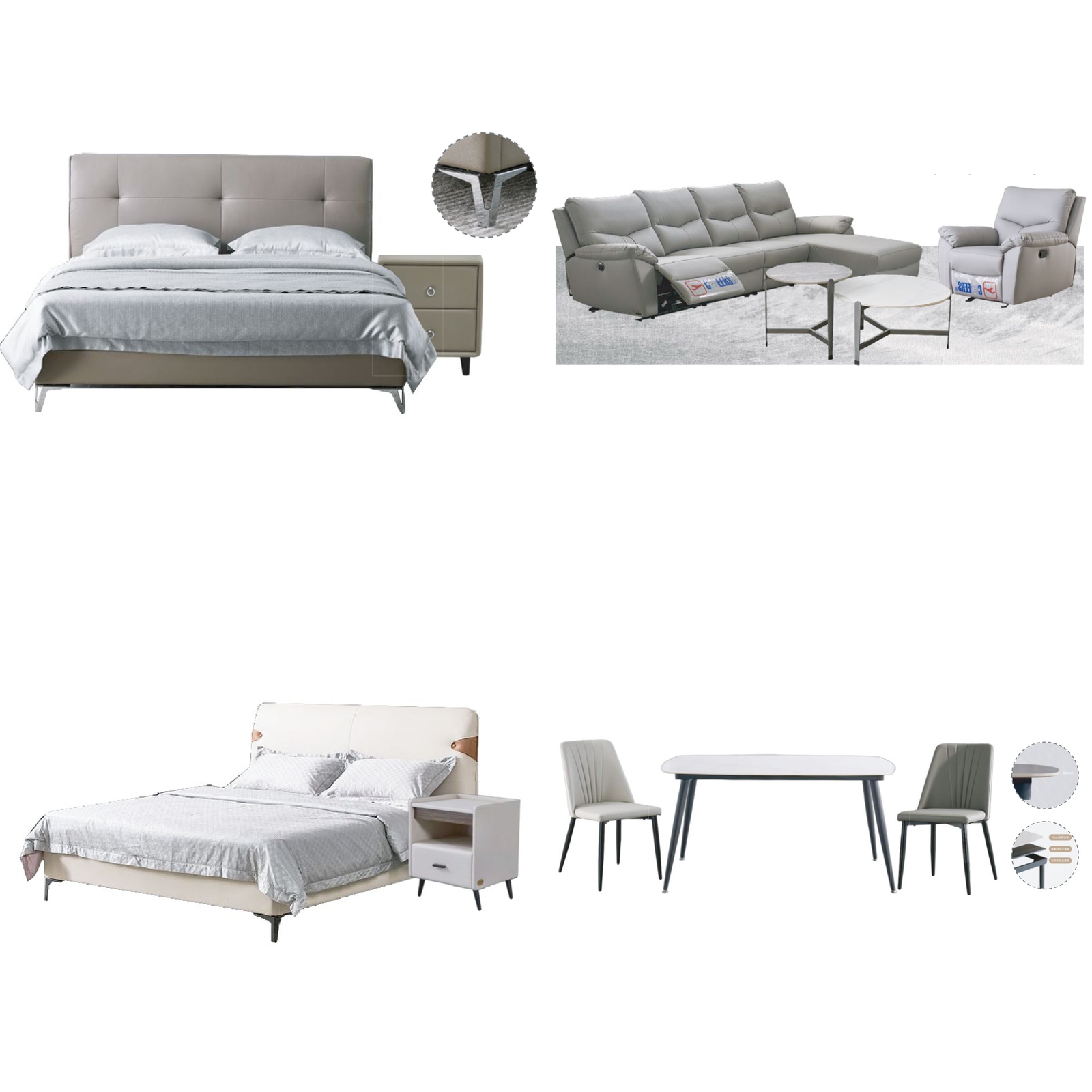
If you have a specific vision, Chinese factories are incredibly accommodating. Sourcing custom luxury sofas from Chinese manufacturers is a growing trend for 2026. You can dictate everything from the type of wood frame to the density of the foam and the origin of the top-grain leather.
Sustainable and Modern Aesthetics
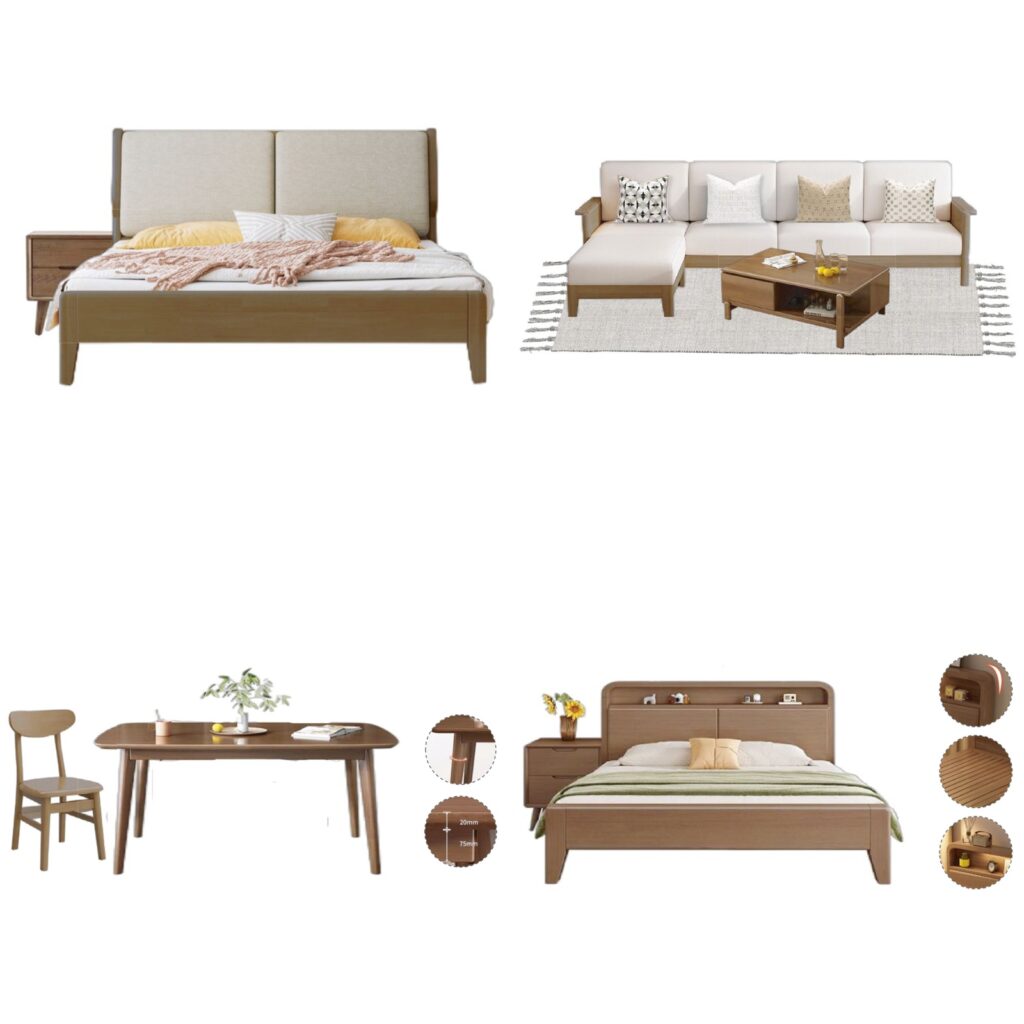
Design aesthetics are also shifting. The modern minimalist design trends in Shunde feature clean lines, neutral color palettes, and multifunctional designs that cater to contemporary urban living. Furthermore, as global environmental awareness grows, factories are increasingly offering eco-friendly materials from Chinese manufacturers. This includes sustainably harvested bamboo, recycled metals, zero-VOC finishes, and biodegradable upholstery fabrics.
Vetting Suppliers and Ensuring Quality
Finding a supplier is easy; finding a reliable manufacturing partner takes due diligence.
Verifying the Manufacturer
Before you transfer any funds, you need to know how to verify Chinese furniture suppliers.
- Request Business Licenses: Ask for a copy of their Chinese business license and verify it through a third-party service.
- Check Export History: Ensure they have experience exporting to your specific country, which means they understand your local safety and flammability regulations.
- Factory vs. Trading Company: Ask direct questions to determine if they are the actual manufacturer or a middleman. Dealing directly with the factory usually yields better prices and clearer communication regarding customization.
Quality Assurance
Never ship a container without inspecting the goods first. Hiring professional furniture quality control inspection services is a non-negotiable step. For a few hundred dollars, an independent inspector will visit the factory before your items are packaged. They will check for structural integrity, scratch-free finishes, precise dimensions, and correct materials, ensuring you don’t receive a container full of defective goods thousands of miles away.
The Logistics: Getting Your Furniture Home
Once your furniture is manufactured and inspected, the next challenge is getting it to your doorstep. Here is a simplified step by step guide to importing household goods:
- Finalize Packaging: Ensure your supplier uses export-standard packaging (corner protectors, bubble wrap, and sturdy wooden crates for fragile items).
- Hire a Freight Forwarder: Do not rely on your factory to handle international shipping. You need an expert on your side. Finding reliable freight forwarders for oversized items is crucial, as furniture is bulky and requires careful handling to prevent damage during transit.
- Choose Container Size: Decide between a 20ft container (holds about 25-28 cubic meters) or a 40ft High Cube container (holds about 68 cubic meters).
- Book the Freight: Your forwarder will arrange for the container to be trucked to the factory, loaded, and transported to the port (usually Shenzhen or Guangzhou).
Understanding Shipping Costs
Budgeting for freight is a major part of your overall cost calculation. While rates constantly fluctuate based on global economic conditions, the shipping container costs from Guangzhou to USA in 2026 generally range from $3,500 to $6,000 for a 40ft container, depending on whether you are shipping to the West Coast (e.g., Los Angeles) or the East Coast (e.g., New York). Always ask your freight forwarder for an all-in quote that includes terminal handling charges and port fees.
Navigating Customs and Compliance
The final hurdle in international sourcing is getting your goods legally cleared into your home country. Handling customs clearance for international furniture trade can seem daunting, but a licensed customs broker can manage the paperwork for you.
The Importance of HS Codes
To correctly calculate your import duties and taxes, your broker will need the specific Harmonized System (HS) codes for your items. Providing accurate HS codes for home furnishings prevents costly delays and border audits.
For example, the HS code for wooden framed upholstered seats is typically 9401.61, while wooden bedroom furniture generally falls under 9403.50. Having your supplier explicitly list these codes on the Commercial Invoice will streamline the entire clearance process.
Additional Compliance
Be aware of specific regulations in your country. For instance, if you are importing wooden furniture into the United States, you must comply with the Lacey Act, which requires a declaration of the scientific name of the wood and its country of harvest to prevent illegal logging. Furthermore, any solid wood packaging (like crates or pallets) must be fumigated and stamped with an ISPM-15 mark to prevent the spread of agricultural pests.
Conclusion: Plan Carefully, Reap the Rewards
Deciding to source your home interiors internationally is an exciting venture that can yield spectacular results. While it requires more effort than simply walking into a local retail store, the payoff is immense.
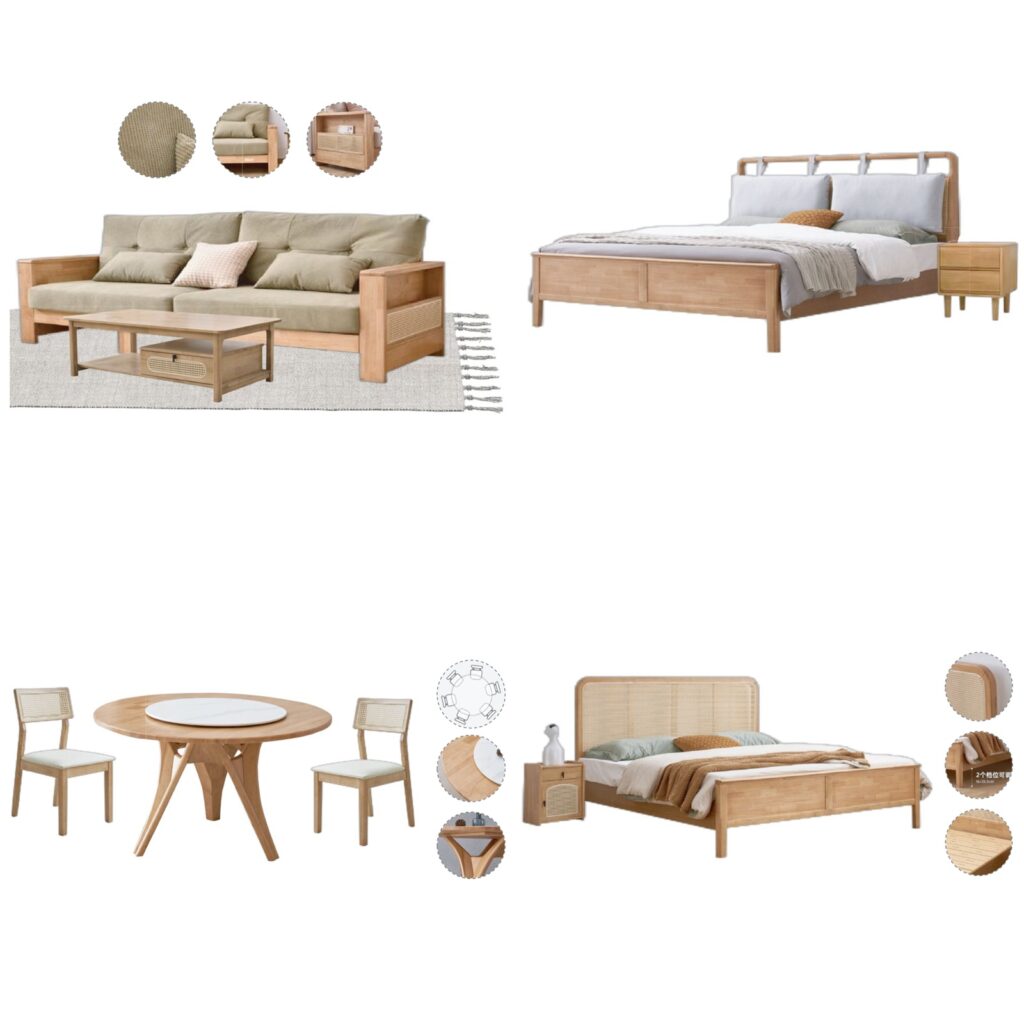
By understanding the balance between online platforms and physical markets, keeping an eye on 2026 design trends, rigorously verifying your suppliers, and partnering with top-tier logistics professionals, you can successfully navigate the complexities of global trade. Whether you are hunting for a custom leather sectional, minimalist dining sets, or entire household packages, importing furniture directly from China empowers you to design luxurious, highly customized spaces without breaking the bank. Start planning your sourcing journey today, and bring your ultimate interior design vision to life.